
LED light strips are a game-changer for RV lighting due to their flexibility, energy efficiency, low-voltage safety, and excellent light output. They are perfect for both functional task lighting and ambient mood lighting in almost every corner of your vehicle.
I. Key Functional Areas – Enhancing Utility & Experience
-
Under Overhead Cabinets (Especially in the Kitchen):
-
Purpose: Provides crucial task lighting for countertops. Illuminates food prep areas without casting shadows from your body.
-
Tip: Use high-lumen, high-CRI strips. A neutral white (4000K-6000K) is best for clarity.
-
-
Under the Bed Frame or Around the Bed Base:
-
Purpose: Serves as a perfect night light. Offers enough glow to navigate safely without fully waking up others.
-
Tip: Install low-profile, dimmable warm-white strips. Connect them to a motion sensor for automatic operation.
-
-
Along Stair or Step Edges:
-
Purpose: Critical safety lighting. Clearly defines steps at night to prevent trips and falls.
-
Tip: Use durable, waterproof strips with a good protective coating and secure mounting.
-
-
In the Bathroom:
-
Purpose: As supplementary mirror lighting, under-shelf lighting, or a soft night light.
-
Tip: IP65 (or higher) waterproof rating is mandatory here to resist humidity and splashes.
-
-
Under the RV Awning:
-
Purpose: Creates a welcoming outdoor living space for evening relaxation and socializing.
-
Tip: You must use outdoor-rated, UV-resistant strips (IP67/IP68) designed to withstand the elements.
-
II. Ambient & Decorative Areas – Instantly Boosting Style
-
Along Ceiling Edges or Crown Molding / Above & Below Cabinets:
-
Purpose: Provides beautiful indirect ambient lighting. Bouncing light off the ceiling/walls creates a spacious, elevated feel with zero glare.
-
Tip: Install in a channel or recess for a clean, professional look. Choose warm white (2700K-3000K) for coziness.
-
-
Along Floor Edges or Toe-Kicks:
-
Purpose: Creates a modern "floating" effect and acts as subtle pathway lighting at night.
-
Tip: Use aluminum channels with diffusers to protect the strips and aim the light correctly. Ensure they are kick-proof.
-
-
Behind the TV or a Feature Wall:
-
Purpose: Adds a theater-style backlight, reducing eye strain and increasing immersion during movie nights.
-
Tip: RGB or RGBW color-changing strips are ideal here, allowing you to match your mood or entertainment.
-
-
Under Seating/Dinette Benches:
-
Purpose: Similar to floor lighting, it adds visual depth and a contemporary touch to the living area.
-
III. Utility & Safety Enhancement Areas
-
Inside Cabinets, Closets, and Storage Compartments:
-
Purpose: Auto-on lighting makes finding items in deep storage a breeze.
-
Tip: Connect to magnetic reed switches or door sensors. Use thin, low-profile strips.
-
-
In Utility/Service Bays (Battery, Generator, Storage):
-
Purpose: Offers essential work light when checking systems or accessing stored gear.
-
Tip: Select strips with good heat tolerance and durable construction.
-
-
Along the RV's Exterior Outline (Underbody or Side):
-
Purpose: Improves campground safety and visibility, making your RV easier to see at night.
-
Tip: Must use automotive-grade, waterproof, and vibration-resistant strips designed for exterior use. Check local regulations.
-
Crucial Installation & Buying Tips:
-
Voltage is Key: RVs use 12V or 24V DC power systems. You MUST use compatible DC LED strips. Never use standard 120V/240V AC household strips directly!
-
Smart Control: Integrate with remotes, smartphone apps, RV control panels, or motion sensors for maximum convenience.
-
Quality Matters: Invest in strips with quality LED chips (e.g., Cree, Bridgelux) and reliable drivers. Mounting strips in aluminum channels aids heat dissipation and extends lifespan.
-
Professional Help: For complex wiring or integration with your RV's main electrical system, consult a professional to ensure safety and reliability.
-
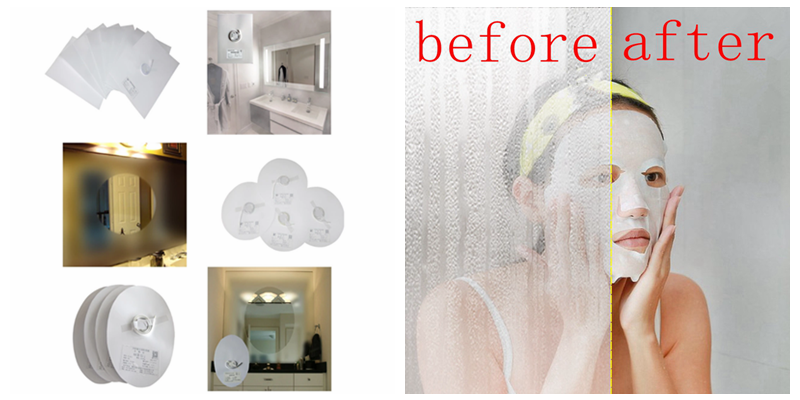 How to Install Heat Pad on Mirror?
Do you like ?0
Read more -
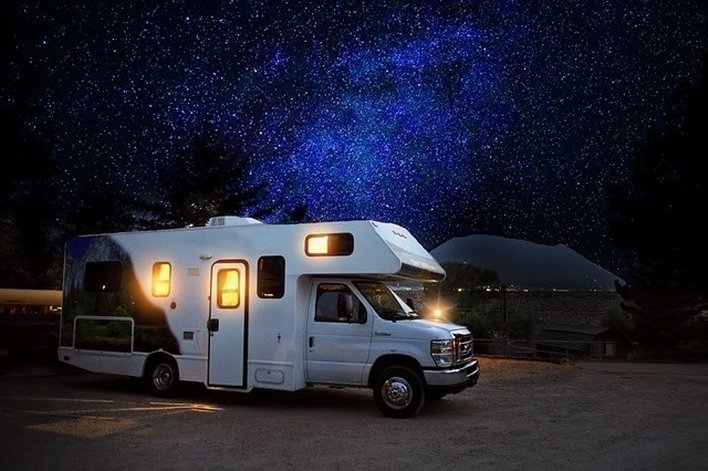 Why LED Lights are Perfect for RVs & Boats?
Do you like ?0
Read more -
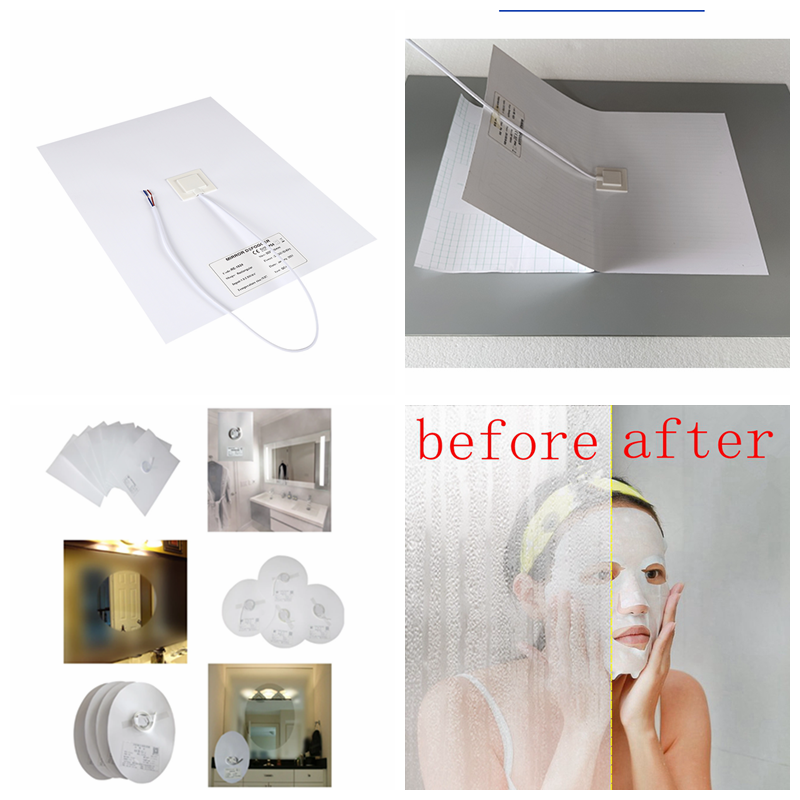 How Good Anti-fog Film for Mirror!
Do you like ?0
Read more -
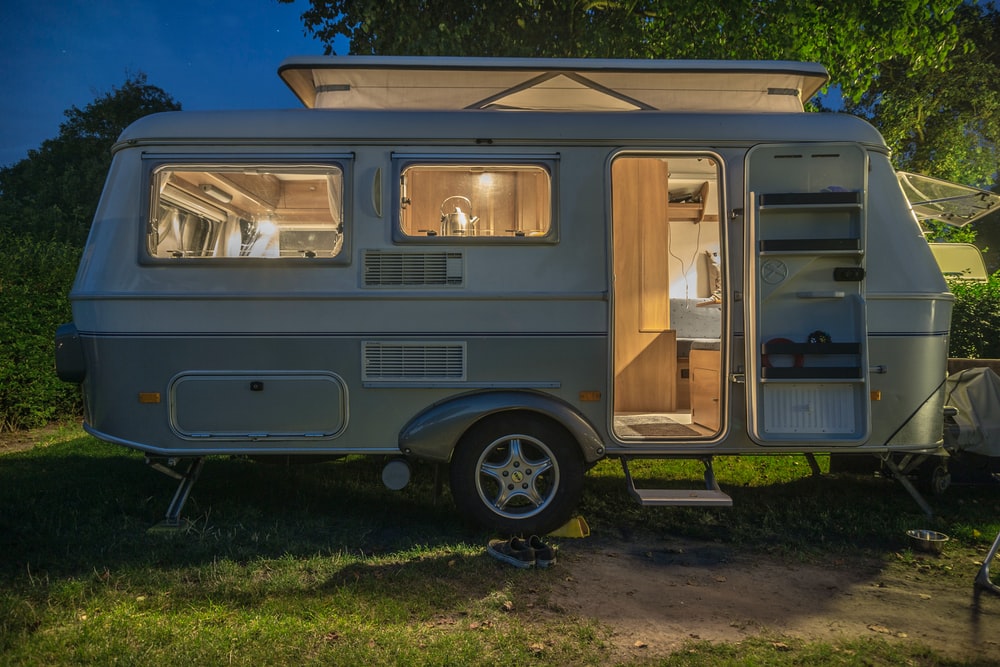 How do you choose which lights to buy for your RV’s interior?
Do you like ?0
Read more -
 What Are the Most Common Interior Lights Used by RV Manufacturers?
Do you like ?0
Read more -
 Do You Know The Great Uses for Puck Lights?
Do you like ?0
Read more