
When an ambulance races to an emergency, every second inside the medical compartment counts. In such high-pressure environments, lighting is often the most overlooked yet critical factor. Dim or harsh light not only hampers emergency procedures but can also delay life-saving treatment. So, what kind of ambulance interior lights can truly meet the demanding needs of pre-hospital care?
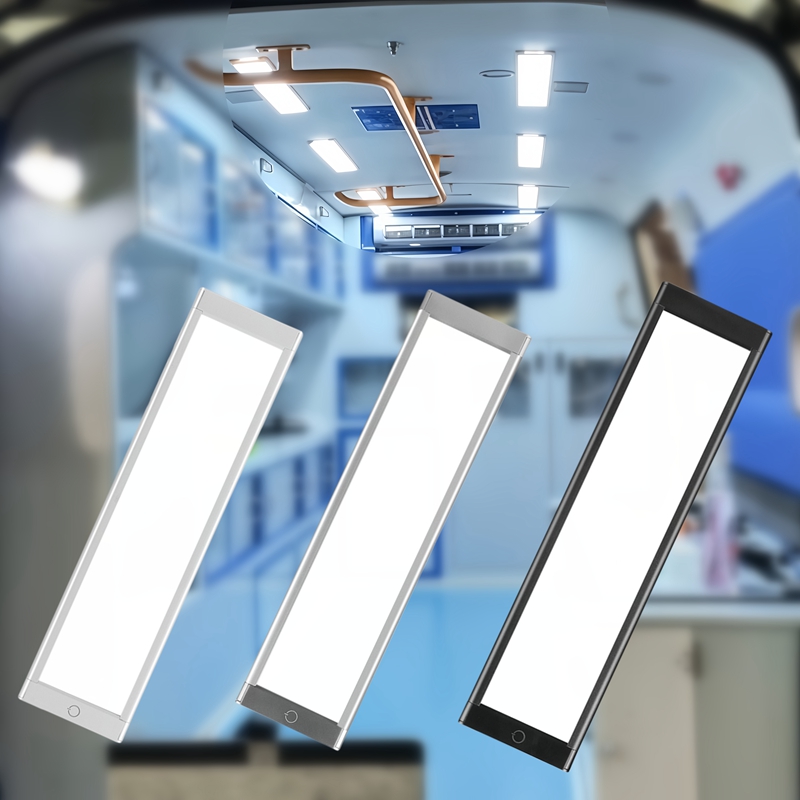
LED Interior Lights: The Gold Standard for Ambulance Lighting
Traditional halogen or fluorescent lamps are being fully replaced by LED ambulance ceiling lights, thanks to LED technology delivering significant improvements across multiple dimensions.
Uniform illumination, eliminating dark spots. High-quality LED interior lights use optically engineered designs to provide even light distribution throughout the medical compartment, eliminating harsh bright spots and shadowy corners. This is vital for emergency procedures – regardless of where the patient lies on the stretcher, medical staff enjoy a clear, consistent field of view.
Extended service life, reducing maintenance costs. Ambulances endure constant vibration and shock from varied road conditions. LED lights, built with solid-state technology and rugged housings, typically last over 50,000 hours. Fleet managers can drastically reduce the frequency and cost of bulb replacements.
Low power consumption, easing electrical load. An ambulance’s electrical system must simultaneously power sirens, communication gear, medical monitors, and other devices. LED medical compartment lights consume minimal power, effectively reducing overall current draw and easing stress on the vehicle’s chassis electrical system.
Low heat output, keeping the cabin comfortable. Unlike halogen bulbs, LEDs generate very little heat. In a confined medical compartment, this not only improves comfort for patients and crew but also reduces the burden on the air conditioning system.
Key Design Features: What to Look for in Professional-Grade Lighting
When selecting LED ambulance lights for the medical cabin, pay special attention to the following features:
-
High/low dual brightness modes: Emergency scenarios require flexible lighting. High mode supports detailed procedures and full examinations; low/night mode provides soft lighting for patient transport or rest periods, avoiding glare.
-
Ultra-slim low-profile design: Space in the medical compartment is at a premium. Low-profile fixtures (as thin as 16–18mm in height) maximize headroom and prevent interference with stretchers, IV poles, and other equipment.
-
Durable, rugged housing: Polycarbonate housings with sealed transparent lenses resist moisture, shock, and vibration, meeting ambulance industry standards such as NFPA 1917 and Triple‑K requirements.
-
Quick and easy installation: surface mount make installation and replacement fast and efficient.
-
Compliance certifications: Products should meet relevant electromagnetic compatibility (ECE R10) and vehicle safety standards.
Typical Applications
-
Main patient compartment lighting: Provides comprehensive, even base illumination
-
Emergency treatment zones: High-brightness mode supports delicate medical procedures
-
Nighttime transport mode: Low mode offers gentle lighting without disturbing resting patients
-
Equipment and storage areas: Ensures quick identification and retrieval of medical supplies
Summary
Lighting in an ambulance is far more than just a lamp – it is the most reliable visual partner for emergency responders in a mobile battlefield. Choosing high-quality LED ambulance interior lights means giving EMTs and paramedics clearer operational visibility, greater reliability, and a safer environment for patient care. Whether you are an OEM vehicle manufacturer, an upfitter, or a fleet manager, upgrading medical compartment lighting to professional LED solutions is one of the most direct investments you can make in the quality of life-saving care.
-
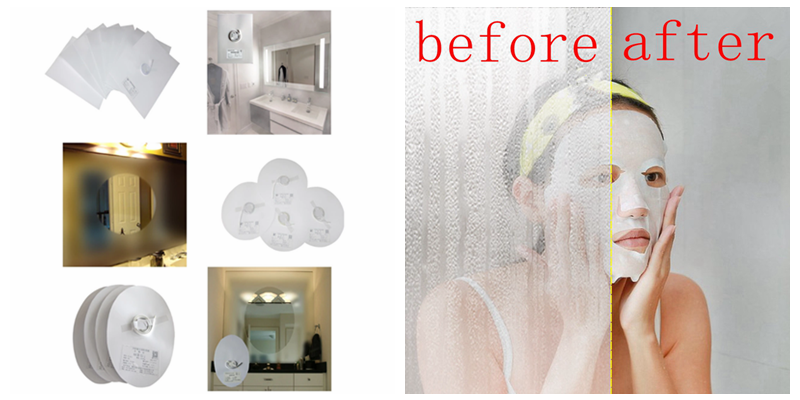 How to Install Heat Pad on Mirror?
Do you like ?0
Read more -
 Why LED Lights are Perfect for RVs & Boats?
Do you like ?0
Read more -
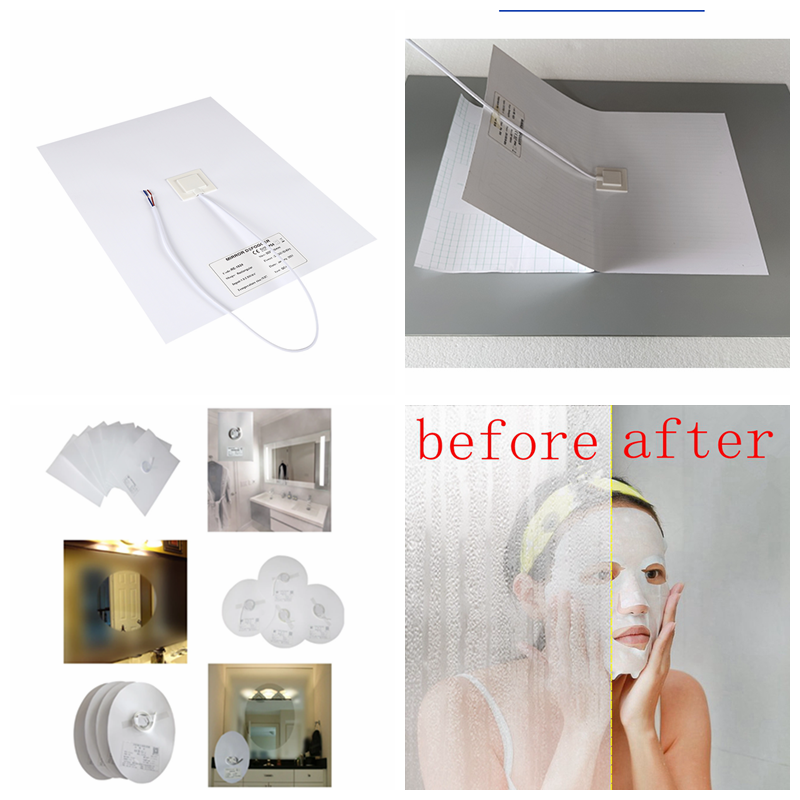 How Good Anti-fog Film for Mirror!
Do you like ?0
Read more -
 How do you choose which lights to buy for your RV’s interior?
Do you like ?0
Read more -
 What Are the Most Common Interior Lights Used by RV Manufacturers?
Do you like ?0
Read more -
 Do You Know The Great Uses for Puck Lights?
Do you like ?0
Read more